
Why the EU's CFSP Failed in Yugoslavia
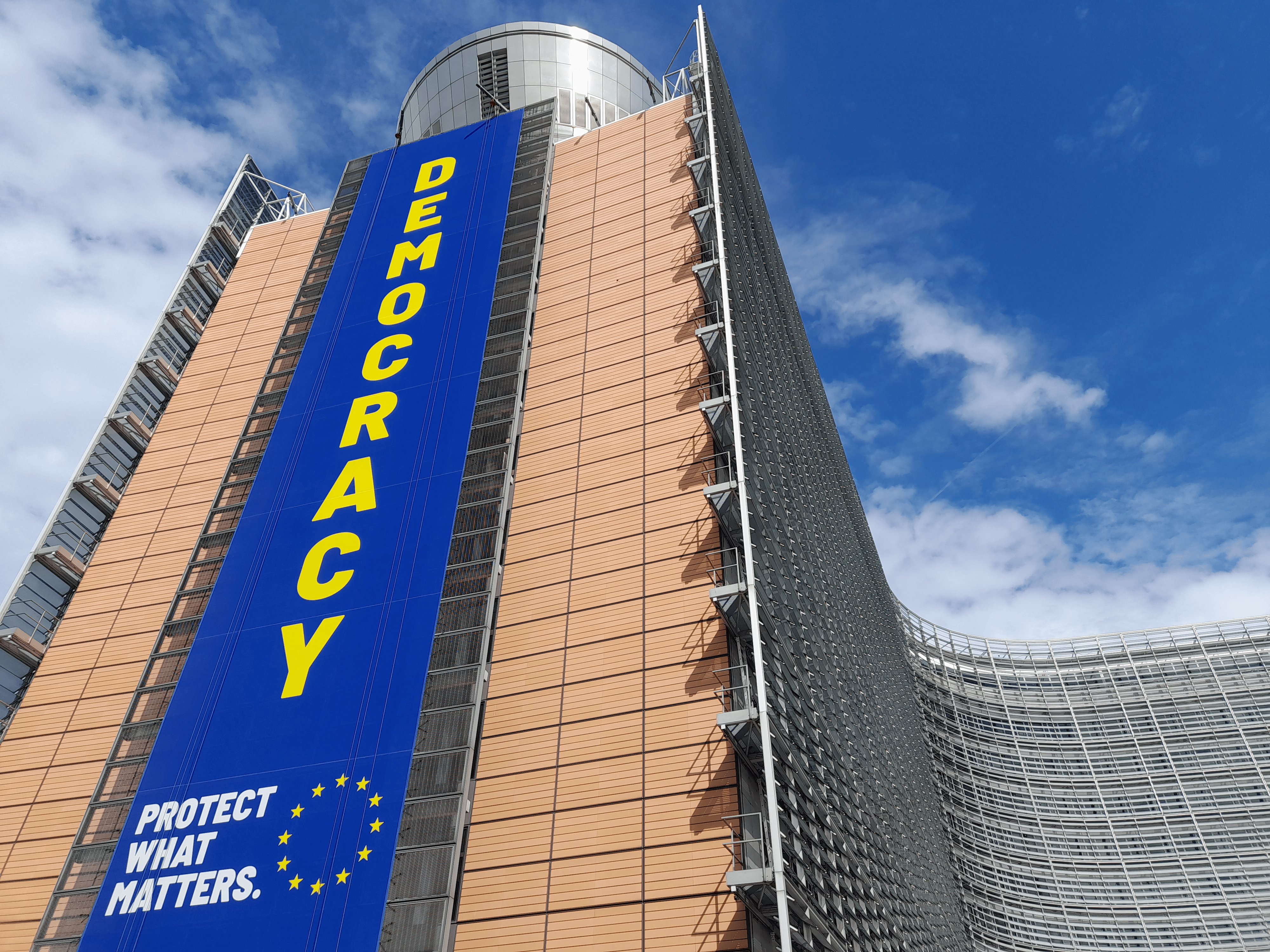
The European Communities (EC) were transformed into the European Union by the Maastricht Treaty in 1993, and with that came the final ascension of the EU beyond an economic project and its emergence into the realm of international politics. The treaty laid out the Common Foreign and Security Policy (CFSP) as one of the three pillars of the EU, and its first major test was to be the violent collapse of Yugoslavia, directly on the EU’s borders. There were hopes to use the framework of the CFSP to maintain a peaceful order in the Balkans and prevent the intensification of the conflict, with the EU to step up in a major mediating role. This did not happen, and the CFSP quickly proved inadequate and incapable of meeting the challenges it was tasked with. While the CFSP was not Europe’s first foreign policy dimension, with European Political Cooperation (EPC) dating back to 1970, EPC was seen as a rudimentary tool striving for some level of coordination between member states’ foreign policies, and it remained informal and outside the functions of the EC until it was finally institutionalised in 1987. EPC was little more than a discussion forum for EC foreign ministers; following the negotiations on Maastricht amidst the end of the Cold War, it was superseded by CFSP. The new Common Foreign and Security Policy was intended to be a more comprehensive, powerful, and dynamic instrument, befit for a world where the EU would step up as the major geopolitical power on the European continent following the end of Cold War jostling.
However, despite the aspirations of the EU to become a normative power with a strong institutionalised foreign policy, the reality of CFSP was not enormously different to that of EPC, and it faced its own challenges stemming from structural weaknesses. The term ‘Common’, often used in EU institutions to denote elements of supranationalism, such as the Common Agricultural Policy or Common Fisheries Policy, hid the fierce intergovernmentalism of the ‘Common’ Foreign and Security Policy. Member states did not surrender their sovereignty or their own foreign policies in order to create this EU-wide foreign policy, leading to institutional confusion and the continuation of simply a coordinated, rather than common, foreign policy.
Another weakness of the CFSP was the level of paralysis it faced resulting from its organisational complexity, the number of actors involved in the decision-making process, and the cumbersome unanimity requirement among member states. As one scholar put it, ‘The creation of a separate inter-governmental "pillar" for CFSP also led to numerous squabbles over issues of competence. Another problem is the sheer number of actors involved in CFSP: the Member States, the Council, the High Representative, the Special Representatives, the Commission, and the Parliament, each with their own bureaucracies, interests, and ambitions’.1 All of this contributed to a policy output that was slow and minimal – in the case of Yugoslavia, fatally so.

When CFSP did emerge, it was immediately put to the test by the crisis in the Balkans, which quickly exposed its aforementioned weaknesses. While it would be unfair to judge any entity on its ability to maintain peace and stability in the Balkans, the EU’s CFSP can still be viewed as a clear failure in Yugoslavia. Instead of a cohesive, EU-led approach, the member states quickly returned to national policymaking, with significant divergence between them. Greek policy caused particular friction, with a unique geopolitical positioning and special interests in the region, and historically strong ties to Serbia. Greece’s lengthy embargo of Macedonia was a clear example of the primacy of national foreign policy over EU foreign policy, and of the diversity of member states’ interests. On the other hand, Germany’s strong support for Croatia and early recognition of Slovenian and Croatian independence precluded a common EU position on the breakaway republics. Another member state on the border with Yugoslavia, Italy, ‘often developed [foreign policy] in the absence of consultation with other EU member states, causing occasional frictions with Italy's partners’.2 British and French policy, while coordinated, was undertaken far outside the structure of the CFSP. Later in the unfolding war, the two European powers arguably determined EU policy unilaterally by exercising their diplomatic strength, as Germany had done initially with the recognition of Slovenia and Croatia. The resulting ‘European response to the new situation [in Bosnia in May 1995] was a further development along the Anglo-French cooperation line. The Franco-British Rapid Reaction Force (RRF), announced in early June, consisted of two brigades in national uniform but operating under UN command’.3
This pattern of coordination between EU states occurring outside the framework of the EU itself was repeated at multiple major points in the Yugoslav Wars. Diplomacy and mediation in the latter stages of the Bosnian War were dominated by the Contact Group, a grouping of five states – Germany, France, the United Kingdom, the United States, and Russia (later joined by Italy as the sixth). Three (later four) of these were heavyweight EU states, and yet they found it better to cooperate within this loose forum at a national level, rather than have joint European Union representation. Even at the Dayton peace conference, with three co-chairmen (one American, one Russian, and Carl Bildt representing the EU) the prominent member states still insisted on individual representation: ‘Germany, Britain, and France also sent envoys, and each indicated that Bildt did not speak for them’.4
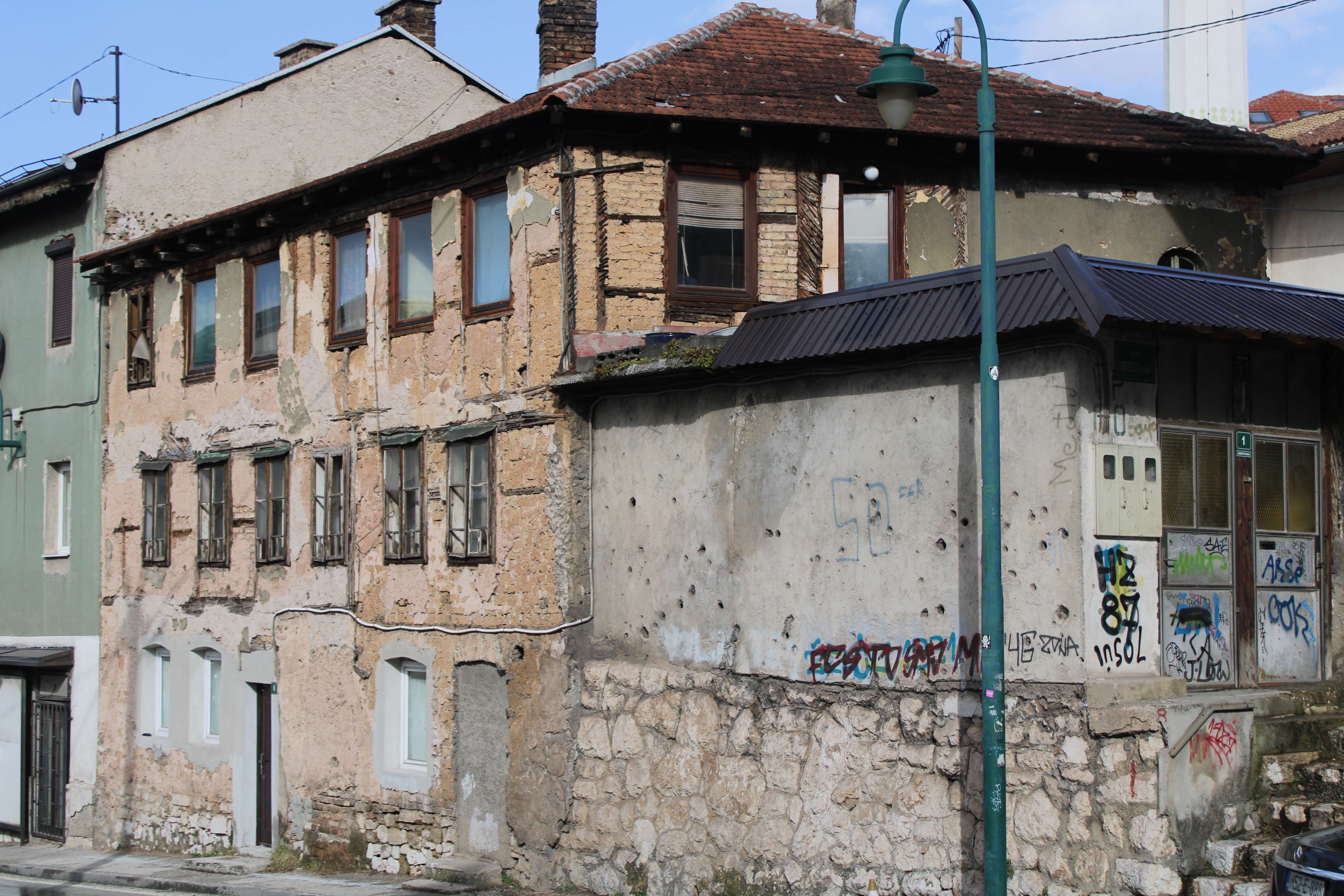
By the time of the aforementioned conference that ended the Bosnian War, held notably not in Europe at all, but in Dayton, Ohio, the EU had been firmly sidelined, with the United States stepping up as the primary actor involved in Yugoslavia. The EU and its member states, whether acting alone at a national level, together through informal cooperation, or through the official channels of CFSP, had failed to move quickly and cohesively enough. They had been unable to prevent the outbreak of conflict or to coordinate a unified effort on ending it, and therefore the United States had to intervene once more as the major political player on the European continent. Put plainly,
In early February 1996, after the United States had engineered a peace agreement for former Yugoslavia that the Europeans had failed to bring about after four years of intervention, a senior U.S. official concluded out loud what many other observers had already begun to think: "Unless the United States is prepared to put its political and military muscle behind the quest for solutions to European instability, nothing really gets done." … Five years after the European Union (EU) had signed a treaty announcing the creation of a common foreign and security policy (CFSP), the perception had begun to emerge-not only among Americans but among many Europeans as well-that the EU's efforts had failed, and that the United States was more than ever the diplomatic and military leader of the Western world.5
In light of the initial failures of CFSP, the EU has had a long time to reconsider what went wrong and why its foreign policy pillar proved inadequate in many ways so soon after its launch. This influenced the EU to rework CFSP, and to strengthen the associated European Security and Defence Policy into a Common Security and Defence Policy. However, while there have been signs of progress, and some issues have been addressed, the fundamental challenges for CFSP remain the same, and the EU's continuing capacity to respond to the ongoing conflicts in the regions covered by the European Neighbourhood Policy is a ruthless test of its current strength.
One factor that has been addressed is the cumbersome interinstitutional bureaucratic process that plagued the responsiveness of CFSP at its launch. For example,
the [2007] Lisbon Treaty provided for the creation of the post of High Representative of the European Union for Foreign Affairs and Security Policy, meant to “conduct the Union’s common foreign and security policy” and “contribute by his proposals to the development of that policy, which he shall carry out as mandated by the Council” … Basically, the new High Representative’s mandate encompasses the old ones of the Commissioner for External Relations and of the former High Representative for CFSP, together with the post of Vice-president of the Commission and the permanent presidency of the Foreign Affairs Council. The double-hatted nature of this new post was meant to enable the High Representative to ensure the coherence of the EU’s external action and the coordination of all its elements – from trade policy to diplomacy, security policy, human rights promotion and neighbourhood policy.6
This is a very positive sign, but the problem of diverging state interests has not been fully addressed and seems unlikely to be addressed in the near future, at least to the extent that it prevents a genuinely ‘common’ foreign policy from emerging. National foreign policies still play a significant role and diverge in critical areas; with the question of Kosovo’s* statehood still not answered conclusively, EU member states cannot even agree on how many Western Balkan states there are. While there has been more unity in terms of the candidacy status and accession negotiations of Western Balkan states (which is organised bilaterally between the candidates and the European Union directly, rather than involving member states at every step), as long as intergovernmental unanimity is a central factor in CFSP, the policy output of CFSP will continue to be minimal and sluggish. Greece and Bulgaria, for example, can continue to hold up accession negotiations with North Macedonia. This institutional issue is not even limited to the candidate states, but extends even to member states as well, as can be seen in actions such as Austria's previous controversial blocking of Romanian and Bulgarian accession into Schengen, or the infamous intransigence of Hungary under Orban.
Overall, the EU’s CFSP – emerging into an environment marked by the crisis of Yugoslavia's collapse – quickly fell short of its ambitious goals, shattering the initial optimism surrounding the policy, much to the disappointment of the EU's leaders and institutions. The experience of this disillusionment, and the CFSP’s inability to go far beyond the scope of the previous system of European Political Cooperation, forced member states to rapidly pursue other forms of foreign policy coordination in the short term, and to thoroughly re-evaluate the legislative and normative foundations of CFSP in the long term. The failure of CFSP in Yugoslavia profoundly influenced the EU and set the tone for institutional challenges to come, but despite a widespread recognition of the areas where reform is needed, this reform has come only partially. Some lessons have been learnt, and these failures have indeed influenced the EU’s post-conflict approach in the region, but the overarching structure of EU foreign policy and its implementation – in the Western Balkans and beyond – has not surpassed the initial limitations that were exposed in the CFSP. Although some improvements have been made to structure and procedure within the EU institutions, streamlining CFSP, the fundamental challenge of divergent interests among the member states, and the resultant confused and contradictory direction of the EU as a whole, remains unaddressed. The question of how to coordinate a ‘common’ policy on an intergovernmental basis remains as unanswerable now as it was thirty years ago.
Endnotes
- Cameron, Fraser. “The Future of the Common Foreign and Security Policy.” The Brown Journal of World Affairs 9, no. 2 (2003): 117. http://www.jstor.org/stable/24590470.
- Lavdas, Kostas A. “The European Union and The Yugoslav Conflict: Crisis Management and Re-institutionalization in Southeastern Europe.” Journal of Political & Military Sociology 24, no. 2 (1996): 219. http://www.jstor.org/stable/45294320.
- Lavdas, “The European Union and the Yugoslav Conflict,” 224.
- Murphy, Ray. “The European Union and Developments in Crisis Management Operations and Peacekeeping.” Connections 8, no. 1 (2008): 58. http://www.jstor.org/stable/26326159.
- Gordon, Philip H. “Europe’s Uncommon Foreign Policy.” International Security 22, no. 3 (1997): 74. https://doi.org/10.2307/2539358.
- Oproiu, Monica. “The European Union as a Conflict Manager: Perspectives after the Lisbon Treaty.” Studia Diplomatica 65, no. 4 (2012): 42. https://www.jstor.org/stable/26531553.
Bibliography
Cameron, Fraser. “The Future of the Common Foreign and Security Policy.” The Brown Journal of World Affairs 9, no. 2 (2003): 115–24. http://www.jstor.org/stable/24590470.
Gordon, Philip H. “Europe’s Uncommon Foreign Policy.” International Security 22, no. 3 (1997): 74–100. https://doi.org/10.2307/2539358.
Lavdas, Kostas A. “The European Union and The Yugoslav Conflict: Crisis Management and Re-institutionalization in Southeastern Europe.” Journal of Political & Military Sociology 24, no. 2 (1996): 209–232. http://www.jstor.org/stable/45294320.
Murphy, Ray. “The European Union and Developments in Crisis Management Operations and Peacekeeping.” Connections 8, no. 1 (2008): 58–91. http://www.jstor.org/stable/26326159.
Oproiu, Monica. “The European Union as a Conflict Manager: Perspectives after the Lisbon Treaty.” Studia Diplomatica 65, no. 4 (2012): 39–54. https://www.jstor.org/stable/26531553.
*All references to Kosovo, whether the territory, institutions or population, in this text shall be understood in full compliance with United Nations Security Council Resolution 1244 and without prejudice to the status of Kosovo.